What builders risk actually covers
Builders risk is a property policy, not a liability policy. It covers physical damage to a structure under construction or renovation — and the materials, supplies, and equipment intended to become part of that structure. For a roofing contractor doing a tear-off and replacement, builders risk can cover materials staged on site, the partially exposed structure during construction, and tools temporarily placed on the project. Common covered perils include fire, lightning, wind, hail, theft, vandalism, and collapse.
Who buys builders risk on a roofing job
On most residential reroofs, the homeowner's existing property insurance continues to cover the structure during the work, and a separate builders risk policy is unnecessary. On new construction or major renovation projects, the general contractor or property owner usually purchases the builders risk policy and adds the roofing contractor as an additional insured. On large commercial reroofs, the property owner may require the roofer to provide proof of builders risk specifically for the roof system being installed. The contract terms control who buys what.
When a roofing contractor needs their own builders risk policy
Three common scenarios: (1) New construction projects where you're installing the original roof system and the GC's builders risk doesn't cover roof materials specifically. (2) Specialized commercial systems — TPO, EPDM, modified bitumen — where the owner requires you to insure the system value separately during installation. (3) Long-duration projects (60+ days) where a tear-off creates extended exposure to weather, fire, and theft. We can quote standalone or short-term builders risk policies on a per-project basis.
What builders risk does NOT cover
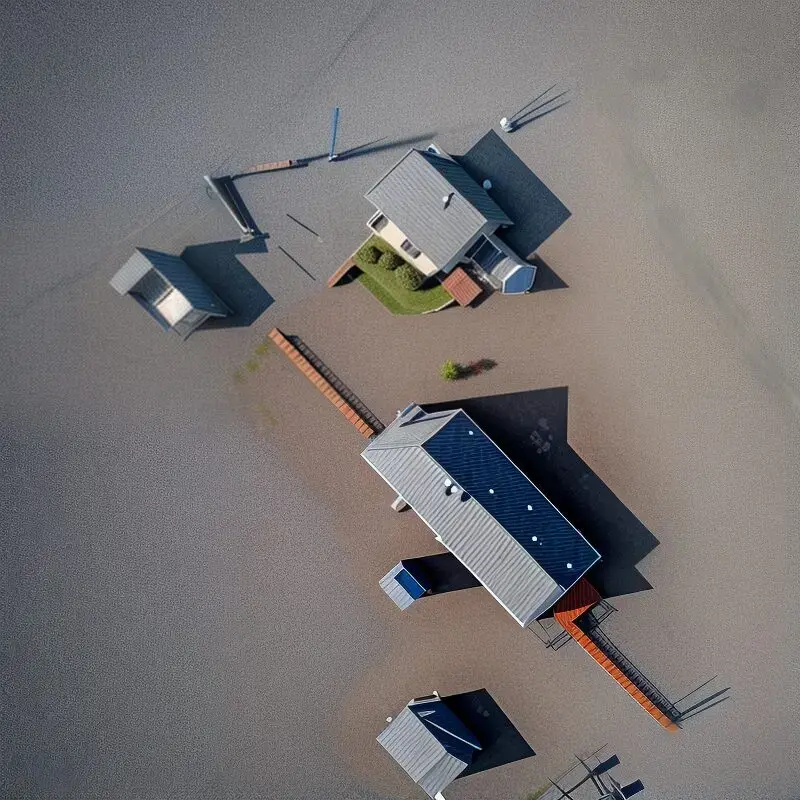
Faulty workmanship by you or your subs (that's a GL or professional liability question). Damage that occurs after the project is completed and accepted (that's the property owner's problem, not yours). Wear and tear during construction. Acts of war, government action, and most floods (separate flood policies are required in flood zones). Your own tools and equipment — those go on inland marine.